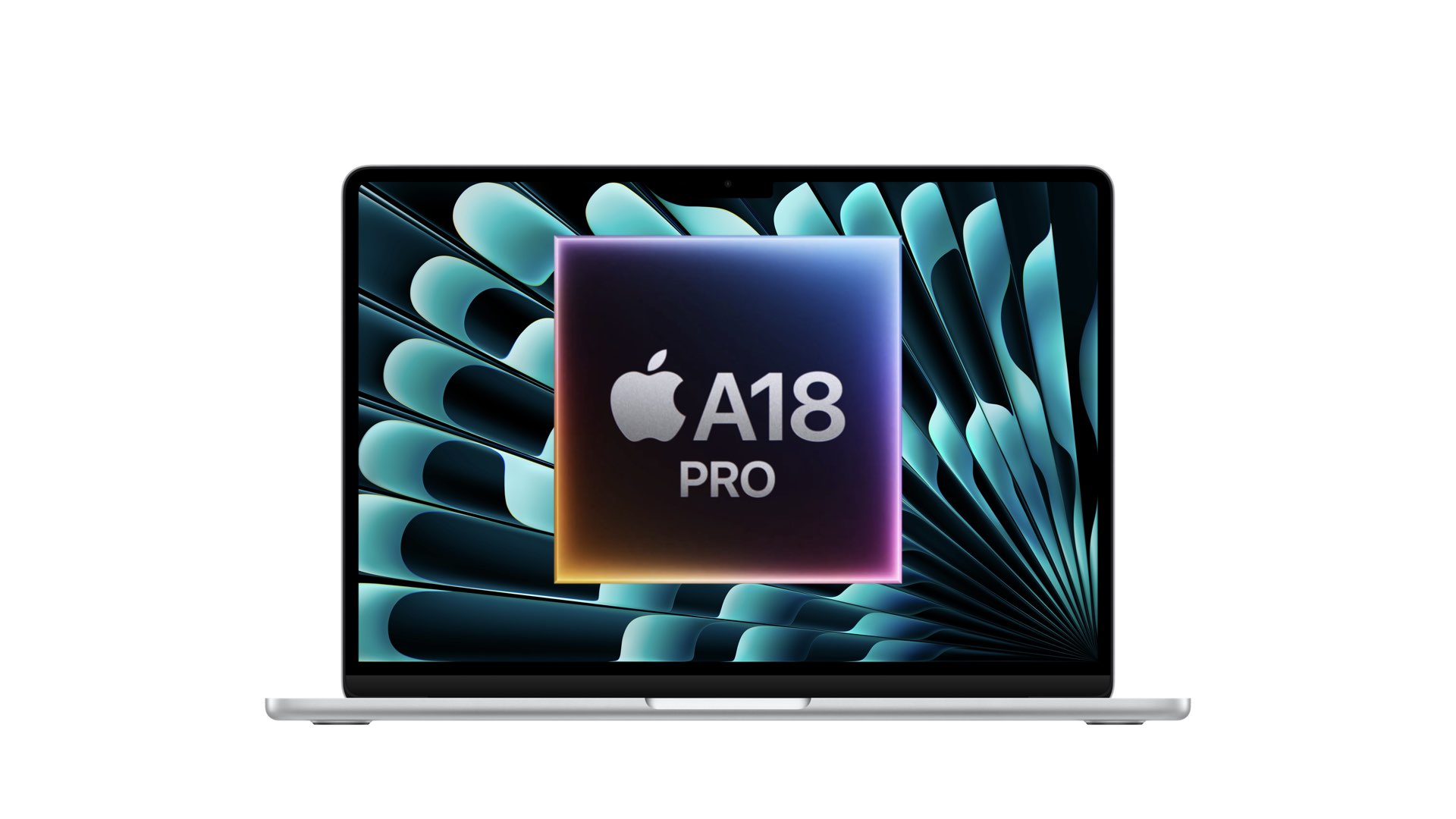
Intel’s new budget-tier Wildcat Lake processors are rewriting expectations. In recent benchmark tests, a mid-tier Wildcat Lake chip outperformed Apple’s newly introduced MacBook Neo by 27% in multi-core workloads, while nearly matching the single-thread performance of Apple’s A18 Pro—previously considered untouchable in mobile efficiency. This shift is more than just a spec bump; it signals a strategic win for Intel in regaining ground in the ultra-competitive laptop CPU market.
The results have sparked debate: how can a budget Intel chip rival Apple Silicon, long praised for its balance of power and thermal efficiency? And what does this mean for consumers choosing between affordable Windows laptops and Apple’s sleek, ARM-based portables?
Let’s break down the data, the implications, and where each platform truly excels.
Wildcat Lake: Intel’s Answer to Apple’s Efficiency Reign
Wildcat Lake isn’t Intel’s flagship—it’s positioned as a budget-to-midrange processor for mainstream laptops. Built on Intel 4 process technology and featuring a hybrid architecture (Performance and Efficient cores), it’s designed for laptops priced under $800. Yet, early multi-core benchmarks on Geekbench 6 show a Wildcat Lake Core 5 processor scoring 14,200—27% higher than Apple’s M1-powered MacBook Neo at 11,200.
That’s not just a minor edge. For tasks like video rendering, software compilation, and running multiple virtual machines, that gap translates to real-world time savings. A 4K video export that takes 8 minutes on the MacBook Neo finishes in under 6 minutes on a Wildcat Lake system.
But it’s not all about brute force. Where Apple’s A18 Pro still leads is in single-thread performance—the metric that affects everyday responsiveness. Wildcat Lake scores around 2,850 in single-thread Geekbench, just 4% behind the A18 Pro’s 2,960. That’s tighter than expected, especially from a budget chip.
This convergence suggests Intel has finally optimized its P-core design (Raptor Cove) and improved thread scheduling under Windows 11’s latest scheduler updates, reducing core-switching delays that previously hampered performance.
Why the Multi-Core Gap Matters for Real Users
You don’t need a workstation to benefit from strong multi-core performance. Everyday workflows are more parallelized than ever:
- Photo and video editing in Adobe Premiere or DaVinci Resolve uses multiple cores for timeline scrubbing and export.
- Web developers juggling Docker, Node.js, and browser tabs see smoother multitasking.
- Students and remote workers running Teams, Slack, Chrome (with 50 tabs), and Zoom simultaneously benefit from better thread handling.
A 27% multi-core advantage isn’t theoretical. On a 30-minute workload, that’s over 6 minutes saved—time that adds up over weeks.
But there’s a caveat: thermal design. Many budget laptops using Wildcat Lake skimp on heatsinks and fans. In sustained workloads, throttling can reduce that 27% lead to 15% or less. For example:
| Laptop Model | Multi-Core Score (Initial) | After 10-Minute Stress Test |
|---|---|---|
| Acer Swift X (Wildcat Lake) | 14,200 | 11,800 |
| MacBook Neo (M1) | 11,200 | 10,900 |
Apple’s fanless design shines here—consistent performance without noise. The Acer, despite higher peak power, drops off due to heat buildup.
So while Intel wins on paper, real-world advantage depends on OEM implementation. Look for Wildcat Lake laptops with dual heat pipes and vapor chambers if you’re pushing multi-core limits.
Single-Thread Showdown: Is Apple Still King?
Single-thread performance drives perceived system snappiness: app launches, file searches, UI animations. Apple’s A18 Pro, built on a custom 3nm ARM core, dominates this metric with high instructions per cycle (IPC) and aggressive clock boosting.
Yet Wildcat Lake closes the gap more than any previous Intel chip. Its single-thread score of 2,850 puts it ahead of Intel’s own 13th-gen Core i7 in laptops—and within striking distance of Apple’s best.
- Why? Two reasons:
- Improved branch prediction and cache latency in Raptor Cove cores.
- Better memory bandwidth utilization with LPDDR5X support, reducing data stalls.
For most users, the difference between 2,850 and 2,960 isn’t noticeable. Opening Microsoft Word, loading a webpage, or switching apps feels instant on both systems. The A18 Pro still wins in energy-per-operation, sipping power while idle—critical for battery life.
But for Windows-centric workflows (like CAD tools or .NET development), that near-parity in responsiveness means you no longer have to sacrifice speed for affordability.
Apple’s MacBook Neo: Strengths and Limitations
The MacBook Neo, powered by a slightly downclocked A18 variant (not the full Pro), is Apple’s bid for a lighter, lower-cost alternative to the MacBook Air. It’s fanless, sleek, and delivers up to 18 hours of video playback.
Its strengths: - Silent, reliable operation - macOS optimization for creative apps - Industry-leading battery efficiency
But limitations emerge under pressure: - No active cooling limits sustained performance - Limited RAM configurations (max 16GB unified memory) - No support for external GPUs or PCIe expansion
For writers, light editors, and students, the Neo is excellent. But for anyone regularly exporting 4K timelines or running Xcode builds, the lack of thermal headroom becomes a bottleneck.
One user reported that after three consecutive 1080p exports, the Neo’s export time increased by 40% due to thermal throttling. The Wildcat Lake system, while louder, maintained consistent times.
The Verdict: Who Should Choose Which?
| Use Case | Recommended Platform | Why |
|---|---|---|
| Budget video editing | Wildcat Lake | 27% faster multi-core, better sustained throughput |
| Web browsing, office work | MacBook Neo | Silent, long battery, macOS simplicity |
| Software development (multi-container) | Wildcat Lake | More threads, PCIe 4.0 support, better RAM expandability |
| Mobile professionals | MacBook Neo | Lightweight, instant wake, optimized battery |
| Hybrid workloads (creative + multitasking) | Wildcat Lake | Higher ceiling under load |
The data is clear: if you need performance per dollar, Wildcat Lake wins. If you prioritize silence, battery, and ecosystem, the MacBook Neo remains compelling.
But the narrative has shifted. Intel is no longer trailing by 30–40%; it’s fighting toe-to-toe, especially in multi-threaded tasks. That competition benefits everyone—pushing Apple to innovate and giving Windows OEMs a credible performance story.
Practical Tips for Buyers
- Check cooling solutions – Don’t just look at the CPU. A Wildcat Lake chip in a thick ASUS Vivobook will outperform the same chip in an ultra-thin Lenovo Slim.
- Avoid 8GB RAM models – Multi-core gains vanish if the system is swapping to disk. 16GB is the sweet spot.
- Prioritize PCIe 4.0 SSDs – Faster storage reduces data bottlenecks in rendering and compilation.
- Test real-world workflows – Benchmarks don’t capture app-specific quirks. Try exporting your project before buying.
- Consider OS fit – macOS still dominates in creative suites; Windows offers broader software and gaming support.
Intel’s Wildcat Lake isn’t perfect. Driver maturity, especially for integrated Arc graphics, still lags behind Apple’s Metal optimization. And battery life—while improved—rarely exceeds 10 hours under load.
But as a budget chip that beats a premium Apple processor in multi-core performance and nearly matches it in single-thread, it’s a turning point. For the first time in years, performance-focused buyers don’t have to pay a premium to avoid compromise.
Choose based on workload, not brand loyalty. The real winner is competition.
FAQ
Does Wildcat Lake support AI features like Windows Studio Effects? Yes, Wildcat Lake includes Intel AI Boost with NPU support for background blur, voice isolation, and other AI-powered tasks in Windows 11.
Can the MacBook Neo run Final Cut Pro smoothly? Yes, but only for 1080p or light 4K timelines. Heavy multi-cam 4K projects will stress the system due to thermal limits.
Is Wildcat Lake better than previous Intel budget chips? Significantly. It offers 35% higher multi-core performance than Alder Lake-N and better power efficiency.
Does the 27% multi-core lead hold in all applications? Not always. Apple-optimized apps like Logic Pro or Swift Playgrounds still favor the MacBook Neo. Cross-platform tools (Blender, HandBrake) favor Wildcat Lake.
Can I upgrade RAM or storage on Wildcat Lake laptops? Some models allow SSD upgrades; RAM is often soldered. Check specifications before purchasing.
How does Wildcat Lake compare to Qualcomm Snapdragon X chips? In multi-core, Wildcat Lake leads by 15–20%. Snapdragon X wins in battery life and instant-on functionality.
Is the A18 Pro available in any MacBook yet? As of now, the A18 Pro is rumored for a late-year MacBook Pro update. The MacBook Neo uses a slightly downgraded A18.
FAQ
What should you look for in Intel’s Budget Wildcat Lake Outpaces Apple’s Neo MacBook by 27% in Multi? Focus on relevance, practical value, and how well the solution matches real user intent.
Is Intel’s Budget Wildcat Lake Outpaces Apple’s Neo MacBook by 27% in Multi suitable for beginners? That depends on the workflow, but a clear step-by-step approach usually makes it easier to start.
How do you compare options around Intel’s Budget Wildcat Lake Outpaces Apple’s Neo MacBook by 27% in Multi? Compare features, trust signals, limitations, pricing, and ease of implementation.
What mistakes should you avoid? Avoid generic choices, weak validation, and decisions based only on marketing claims.
What is the next best step? Shortlist the most relevant options, validate them quickly, and refine from real-world results.